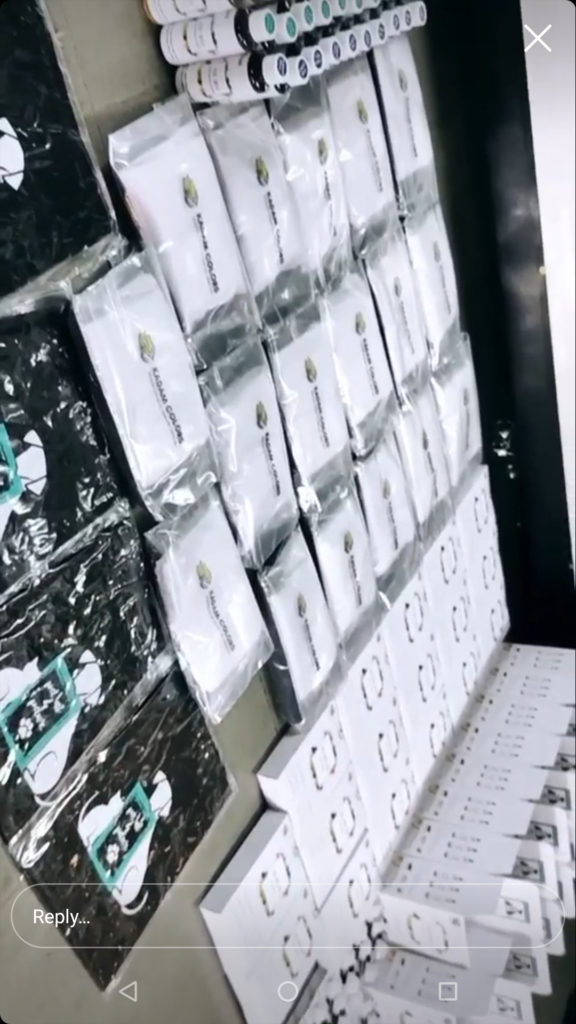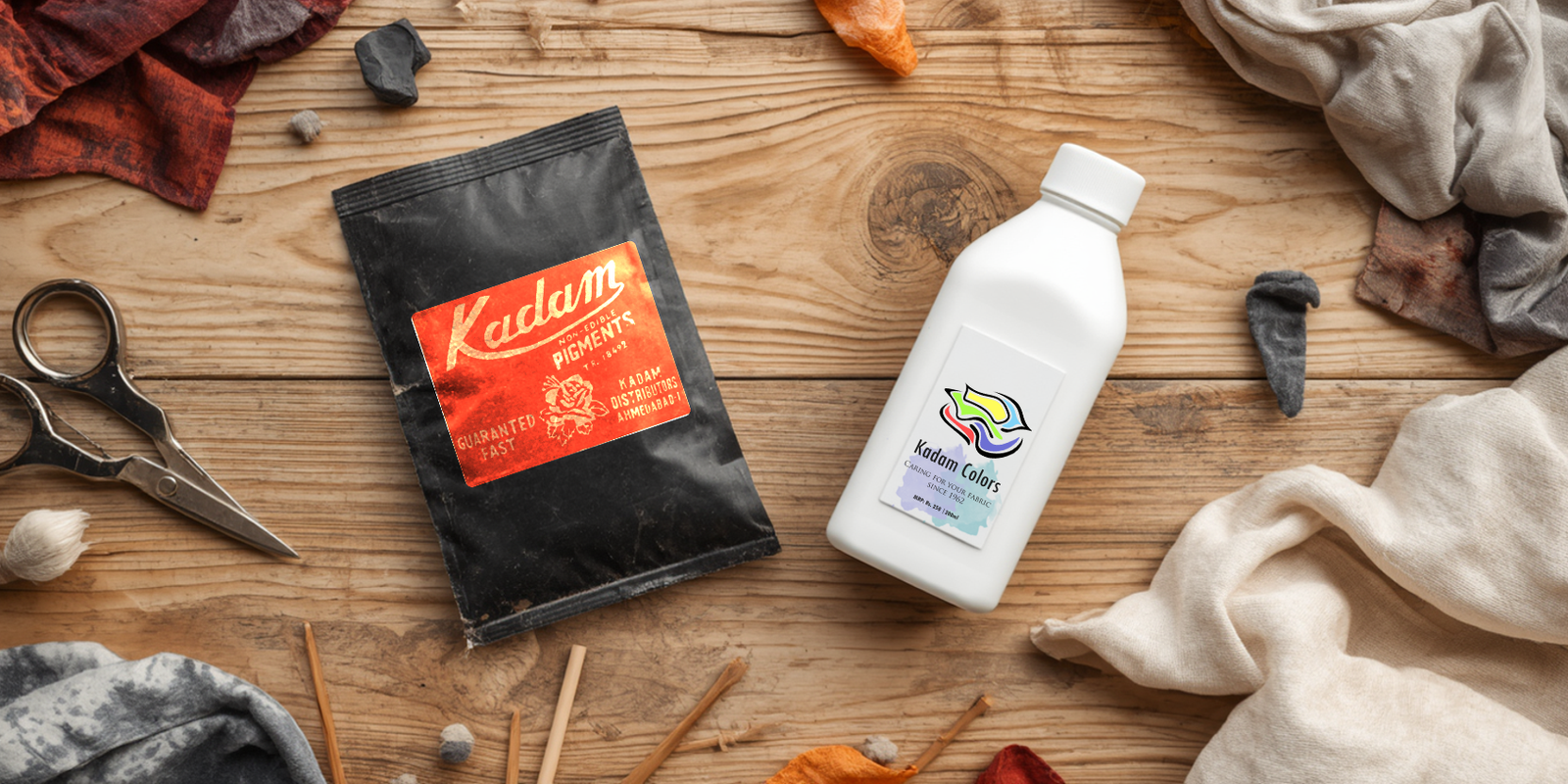
Building a brand isn’t just about a logo or a website; it’s about finding the “soul” of a business and giving it a modern engine. When I began my journey with Kadam Colors, I wasn’t just looking at an e-commerce store. I was looking at a 50-year-old legacy. Founded by the current owner’s grandfather, the brand’s original “superpower” was its focus on the “little people”—creating small sachets of fabric dye for home-based businesses and DIYers at a time when everyone else only dealt in bulk. My mission was to take that heritage of community and translate it into a high-performance digital ecosystem.
I started with “Brand Archaeology.” I studied their history, their struggles, and the brands they adored, like Rit Dye. I noticed they had a beautiful, old-school rose pattern logo from half a century ago that held immense charm. While the owners eventually moved toward a newer look, I used that research to build a Branding Kit that focused on youth and community. The philosophy was simple: be warm and friendly for B2C customers, but technical and solution-oriented for B2B partners. We even took this offline, organizing parent-children tie-dye programs in schools to cement that bond.
The technical side, however, was a different beast. Kadam Colors was running on a WooCommerce store that faced significant scaling pains. I remember sitting down for dinner one night when I got a frantic call—the site was dead. After diving into the Linux server logs, I discovered a host-installed antivirus was devouring the CPU. I didn’t just fix the error; I optimized the entire environment, secured the backend, and held the hosting providers accountable. This stability was the bridge they needed to manage third-party integrations with Amazon Seller Central and Shiprocket without the fear of a crash during peak sales.
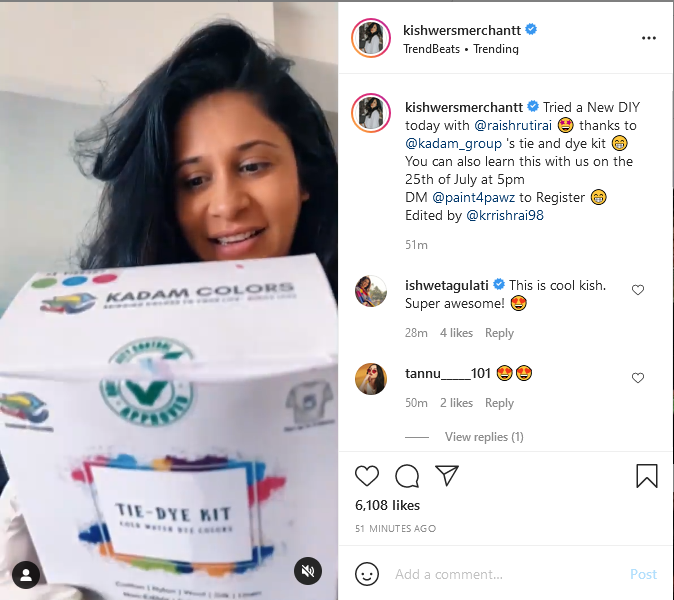
To drive growth, I introduced what I call “Lateral Verticals.” Instead of just selling dye, we created a circular economy. We provided products to small businesses, and then we sold their finished creations back on the Kadam Colors site. This wasn’t just a sales tactic; it was an incubator for User-Generated Content (UGC). By featuring our partners’ work in our ad campaigns, we gave them exposure and, in return, received authentic content that resonated with our audience. This saw sales jump from zero to 20+ orders a day in just the first two months.
As the brand grew, I realized they were struggling with content creator relationships—either micromanaging them into boring ads or letting them go too “wild.” I authored a Content Creator Guide to solve this. It provided the perfect balance: creative freedom for the artist, maintained within the character of the business. This guide ensured that every piece of content, whether a TikTok or an Instagram Reel, felt like it belonged to the Kadam Colors family.
Today, Kadam Colors has transitioned to Shopify, and while the logo I designed has evolved, the DNA I planted remains. The content structure, the community focus, and the branding principles are still the “North Star” of the business. Seeing customers act as the brand’s biggest advocates is the ultimate metric of success. It proves that when you build a brand on a foundation of genuine history and technical resilience, it can survive any platform shift or logo change.